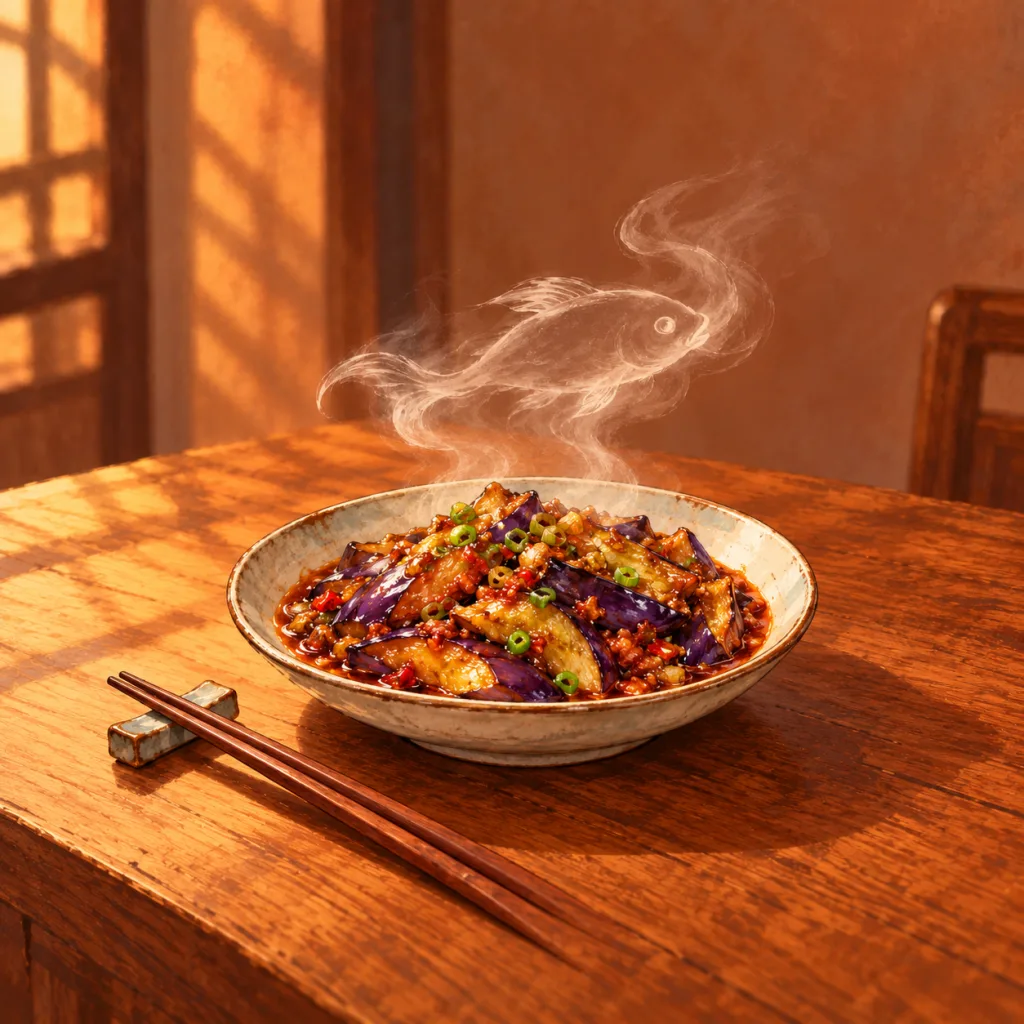
Being a vegetarian in China is playing on hard mode. In the West, a green 'V' label usually offers some safety. In China, definitions are looser, and the concept of 素 (sù) covers a spectrum ranging from "strict Buddhist vegan" to "vegetables stir-fried in pork fat."
If you have strict dietary restrictions, you can't just memorize the word for "vegetable." You need to become an investigator. You need to know which questions reveal the truth and which common sauces are hiding animal products.
Here is your investigator’s guide to surviving the Chinese menu.
The Definition Problem: Su vs. Vegetarian
The biggest hurdle isn't the language; it's the cultural logic. In many local restaurants, a dish is considered 素菜 (vegetable dish) because the main ingredient is a vegetable. The fact that it was cooked with a tablespoon of lard or garnished with "flavor-enhancing" minced pork is often considered irrelevant detail.
To be safe, you need to be specific. Don't just say "I am vegetarian." Say specifically what you do not eat.
The Investigator's Toolkit: Decoding Labels
If you are buying packaged snacks or reading a menu, you need to scan for these specific characters. This is similar to the skill of looking vs. seeing - you are scanning for red flags.
The 'Red Flag' Characters
| Simplified | Traditional | Pinyin | Meaning | Note |
|---|---|---|---|---|
| 猪油 | 豬油 | zhū yóu | Lard (Pork fat) | Extremely common in pastries and stir-fries. |
| 鸡精 | 雞精 | jī jīng | Chicken essence | Found in almost every savory snack. |
| 明胶 | 明膠 | míng jiāo | Gelatin | Common in yogurt and candies. |
| 蚝油 | 蠔油 | háo yóu | Oyster sauce | Used heavily in "vegetable" stir-fries. |
| 肉松 | 肉鬆 | ròu sōng | Pork floss | Often hidden inside buns or on top of congee. |
The 'May Contain' Myth
Unlike Western labels where allergens are bolded clearly, Chinese ingredients lists are often dense blocks of text. You are looking for specific compounds.
If you see 起酥油 (shortening), you need to check if it specifies "vegetable" (植物). If it doesn't specify, assume it might be animal-based.
Case File #1: The Dairy Aisle Detectives
In the US or Europe, yogurt is usually safe or marked clearly. In China, yogurt (酸奶) is a texture game. To get that thick, creamy consistency without high costs, many brands add gelatin.
配料表:...明胶...pèi liào biǎo: ... míng jiāo ... (Ingredient list: ... Gelatin ...)
If you are strict, look for 果胶 (pectin) instead, or stick to brands that market themselves as "simple" or "Japanese style" which often use fewer additives.
Case File #2: Pantry Imposters
This is where most learners get tripped up. You order a plate of broccoli. It looks green. It looks safe. But it tastes surprisingly savory.
The Oyster Sauce Trap
"Oyster sauce lettuce" (蚝油生菜) is a staple. It sounds like a vegetable dish, but the sauce is made from oyster extracts. If you are vegan, this is a no-go.
The Chicken Essence Trap
鸡精 (Chicken essence/powder) is the MSG of the meat world. It is used in soups, sauces, and marinades to provide umami. Even if you don't see meat chunks, the flavor often comes from chicken powder.
Case File #3: How to Interrogate the Waiter
If you have a severe allergy, you should use a written card. But for dietary preferences, you need to handle the dialogue yourself.
Don't just ask "Is this vegetarian?" (这是素的吗?). The waiter might say yes because there are no visible meat chunks. Instead, ask about the cooking method.
Here is a decision tree for your interrogation:
- Waiter: "What would you like to order?"
- You: "I don't eat meat, including lard or chicken broth."
- 我不吃肉,也不吃猪油和鸡汤。
- wǒ bù chī ròu, yě bù chī zhū yóu hé jī tāng.
- Waiter: "How about the Mapo Tofu?"
- You: "Does it have minced meat inside?"
- 里面有肉末吗?
- lǐ miàn yǒu ròu mò ma?
- Waiter: "Just a little bit for flavor."
- You: "Please don't put any meat. Can you use vegetable oil?"
- 请不要放肉。可以用植物油吗?
- qǐng bú yào fàng ròu. kě yǐ yòng zhí wù yóu ma?
If they seem confused, you can ask if they have 全素 (quán sù - totally vegetarian/vegan) dishes. This term is often associated with Buddhist cuisine and implies a stricter standard than just 素.
Regional Intel: The 'Vegetarian' Restaurant
If you are tired of investigating every meal, search for these keywords on your map app:
- 素食馆 (Vegetarian restaurant)
- 佛 (Buddhist - often indicates vegan-friendly)
In these places, you don't need to ask if the "pork" is real. It's likely made of soy or gluten (seitan). It's a great way to practice food vocabulary without the anxiety of accidentally eating a pig's ear.
The Verdict
Eating vegetarian in China requires you to be vocal. You cannot rely on passive assumptions. If you don't ask, the chef will likely add a scoop of lard because, to them, that makes the vegetables taste better.
Be polite, be specific, and when in doubt, stick to the Buddhist restaurants.