Standing at the counter of a popular Zhēnzhū Nǎichá shop in Taipei or Shanghai is a stressful exam. The lines are long, the cashiers move at lightning speed, and the menu is a wall of options. You just want a drink, but you get stuck on the customization questions. Mastering ordering bubble tea in Chinese sugar ice levels isn't just about learning five words; it's about understanding the "Matrix," a specific grid of customization that virtually every shop follows.
If you freeze up and say nothing, you will get the "Standard" (Zhèngcháng). In the world of Chinese bubble tea, "Standard" usually means a cup packed with ice and sweetened with enough syrup to power a small vehicle. It is intense.
To get the drink you actually want, you need to navigate the X and Y axes of the Bubble Tea Matrix: Sugar and Ice.
The Y-Axis: Sugar Levels (甜度)
In the West, you might vaguely ask for something "a little sweet." In China and Taiwan, sweetness is precise math. Shops operate on percentages. If you don't specify, you get 100%.
Full Sugar (正常糖 - 100%)
正常糖 (Zhèngcháng táng)
Unless you have a massive sweet tooth, I recommend avoiding this. Asian milk teas are designed to be rich, and 100% sugar often overpowers the tea flavor entirely.
Less Sugar (少糖 - 70%)
少糖 (Shǎo táng)
Don't let the name fool you. 70% is still very sweet. It is comparable to a standard soda sweetness.
Half Sugar (半糖 - 50%)
Bàn tángThis is the "Goldilocks" zone for most western palates. It is sweet enough to feel like a treat, but not so syrupy that you feel sick halfway through. If you are unsure, start here.
Micro Sugar (微糖 - 25-30%)
Wēi tángThis is my personal go-to. It provides just enough sweetness to counteract the bitterness of the tea, but the tea flavor remains the main event. It is significantly less sweet than "Half Sugar."
Zero Sugar (无糖 - 0%)
无糖 (Wú táng)
Complete zero. Be careful with this if ordering plain tea, as it can be quite bitter.
The X-Axis: Ice & Temperature (冰块)
This is where the biggest misunderstandings happen. Just like the spicy scale, the ice scale has nuances that can ruin your drink if you ignore them.
Normal Ice (正常冰)
正常冰 (Zhèngcháng bīng)
Standard. Usually means the cup is filled to the top with ice before the liquid is poured.
Less Ice (少冰)
少冰 (Shǎo bīng)
A reasonable amount of ice. The drink is cold, but you aren't paying for frozen water.
De-Iced (去冰)
Qù bīngThis is the most critical term to learn. Many learners assume 去 (to go/remove) means the drink will be warm or room temperature. It does not.
Qù bīng means the drink is shaken with ice to get it cold, but the ice cubes are filtered out before it is poured into your cup. You get a cold liquid, but 100% of the volume is tea, not ice. It is the best value for money.
Room Temperature (常温)
Cháng wēnThis is the missing value in many textbooks. If you cannot drink cold things (perhaps due to stomach issues or cultural preference), do not say "No Ice" (Qù bīng). You must say Cháng wēn. This ensures the drink is served at ambient temperature.
Hot (热)
热 (Rè)
Self-explanatory. Good for winter.
Speed Ordering: The Script
When you get to the front of the line, speed matters. You don't need full sentences with grammar particles. You just need the variables. The rhythm is always:
Drink + Sugar + Ice
(Note: If ordering multiple cups, remember to use Liǎng (two) instead of Èr.)
Here is a sample dialogue of a perfect transaction:
-
Staff: 你好,喝什么? (Hello, what are you drinking?)
-
You: 我要一杯珍珠奶茶。微糖,去冰。
Wǒ yào yī bēi zhēnzhū nǎichá. Wēi táng, qù bīng. I want a pearl milk tea. Micro sugar, no ice (cold).
-
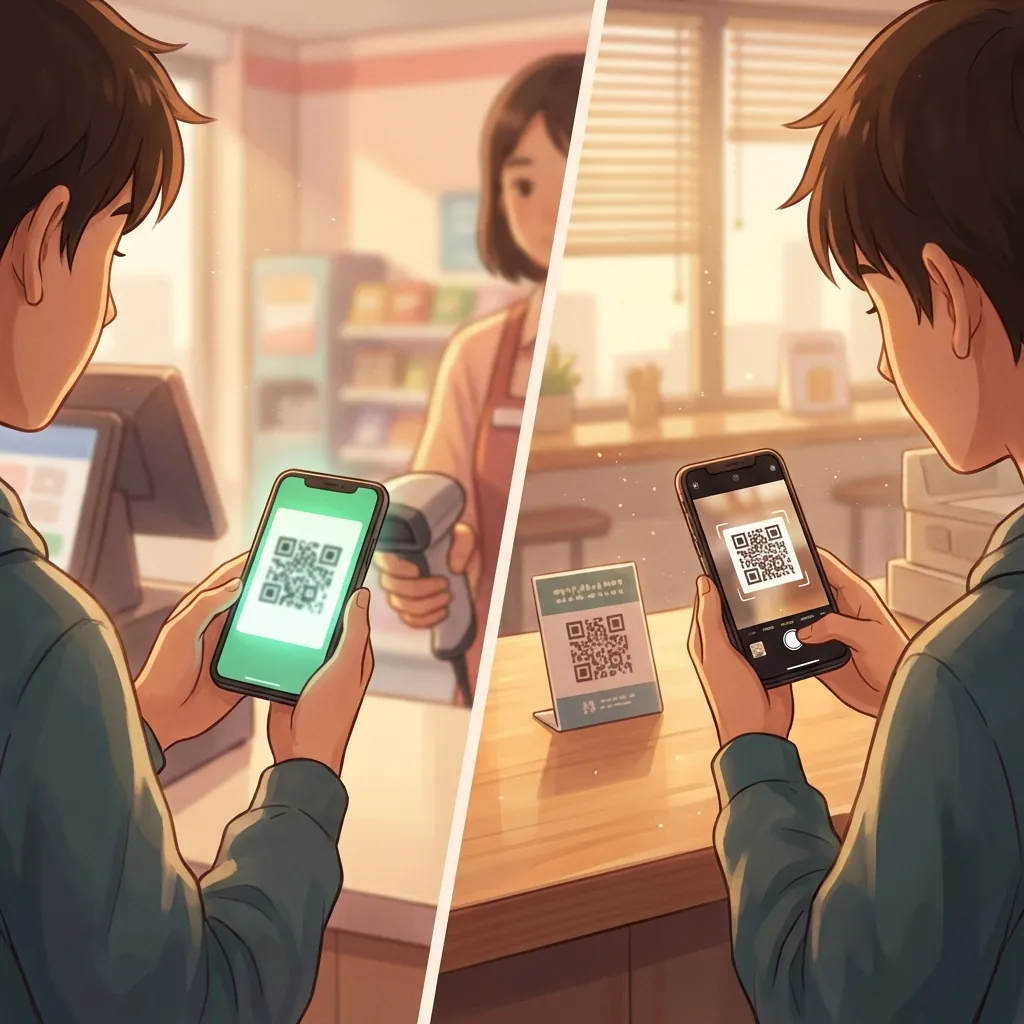
Staff: 扫码还是现金? (Scan or cash?)
-
You: 扫码。 (Scan.)
Cheat Sheet: The Bubble Tea Matrix
Save this table for your next trip.
| Simplified | Traditional | Pinyin | Meaning | Note |
|---|---|---|---|---|
| 正常糖 | 正常糖 | Zhèngcháng táng | Full Sugar | 100% (Very sweet) |
| 半糖 | 半糖 | Bàn táng | Half Sugar | 50% (Standard sweet) |
| 微糖 | 微糖 | Wēi táng | Micro Sugar | 30% (Light sweet) |
| 正常冰 | 正常冰 | Zhèngcháng bīng | Normal Ice | Full cup of ice |
| 去冰 | 去冰 | Qù bīng | No Ice | Cold liquid, no cubes |
| 常温 | 常溫 | Cháng wēn | Room Temp | Not cold, not hot |