If you have ever attended a formal dinner in Mainland China, you know the smell. It is a distinct mix of pineapple, cleaning fluid, and impending regret. It is 白酒 (báijiǔ), the clear grain alcohol that clocks in anywhere from 35% to over 60% ABV.
The pressure to drink is real. In Western business culture, drinking is often a leisure activity done after the deal. In China, drinking is frequently how the deal gets done. It builds trust. It lowers defenses.
But what if you can't drink? Or simply don't want to destroy your liver on a Tuesday night?
Here is how to navigate the minefield of Chinese drinking culture without accidental insults.
The 'Ganbei' Minefield: Why Refusing Feels Dangerous
To understand why saying "no" is hard, you have to understand the currency of the dinner table: Face (面子 - miànzi).
When a host offers a toast, they are not just offering liquid; they are offering respect. If you reject the drink, the lizard brain logic of the table interprets it as rejecting the respect. This is why a flat "No, thanks" triggers awkward silence.
You are not fighting the alcohol; you are navigating the relationship. Your goal is to separate the liquid from the ritual.
The Golden Rule: Reject the Liquid, Embrace the Ritual
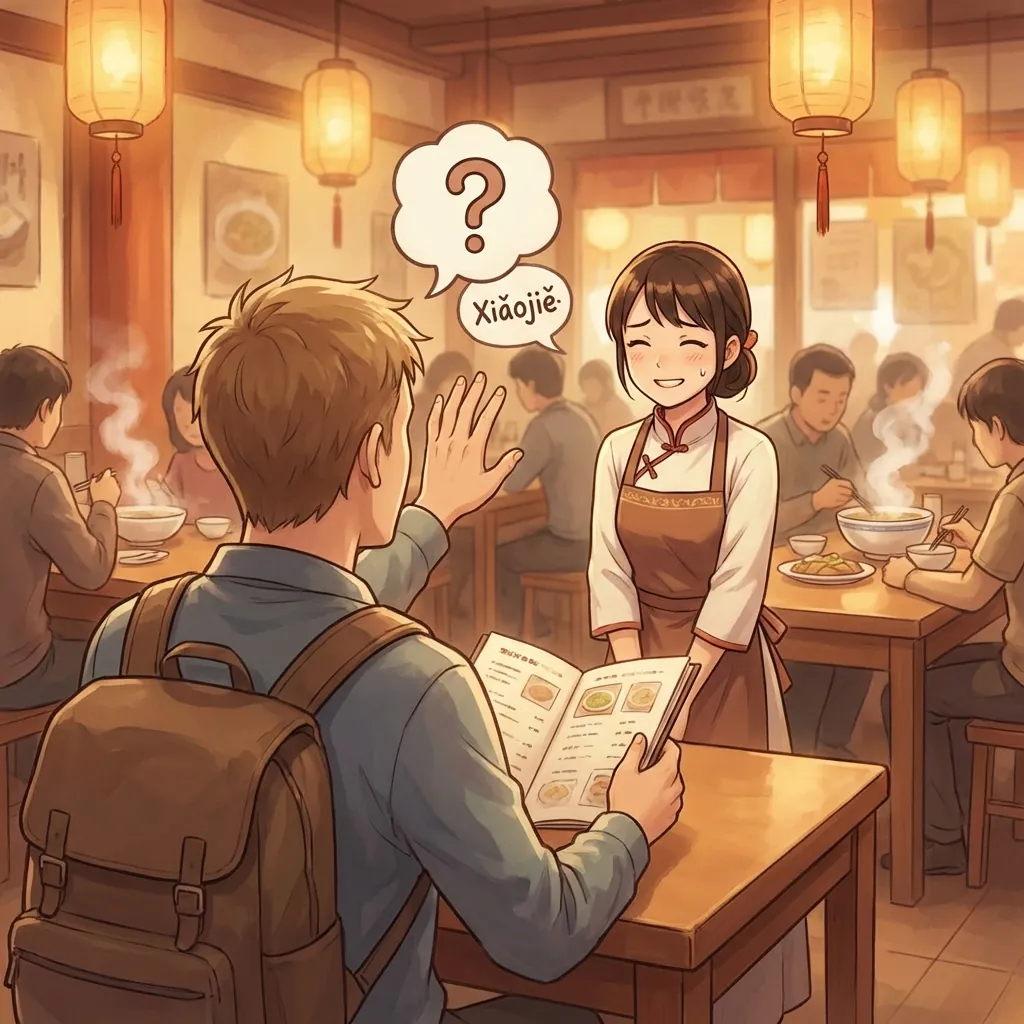
The biggest mistake foreigners make is refusing the toast entirely. You might wave your hand and say "No, no." Do not do this.
The Rule: You can refuse the alcohol, but you must never refuse the toast.
This brings us to the most important phrase in your arsenal: 以茶代酒 (yǐ chá dài jiǔ).
以茶代酒 (yǐ chá dài jiǔ) Lit: Use tea to replace wine.
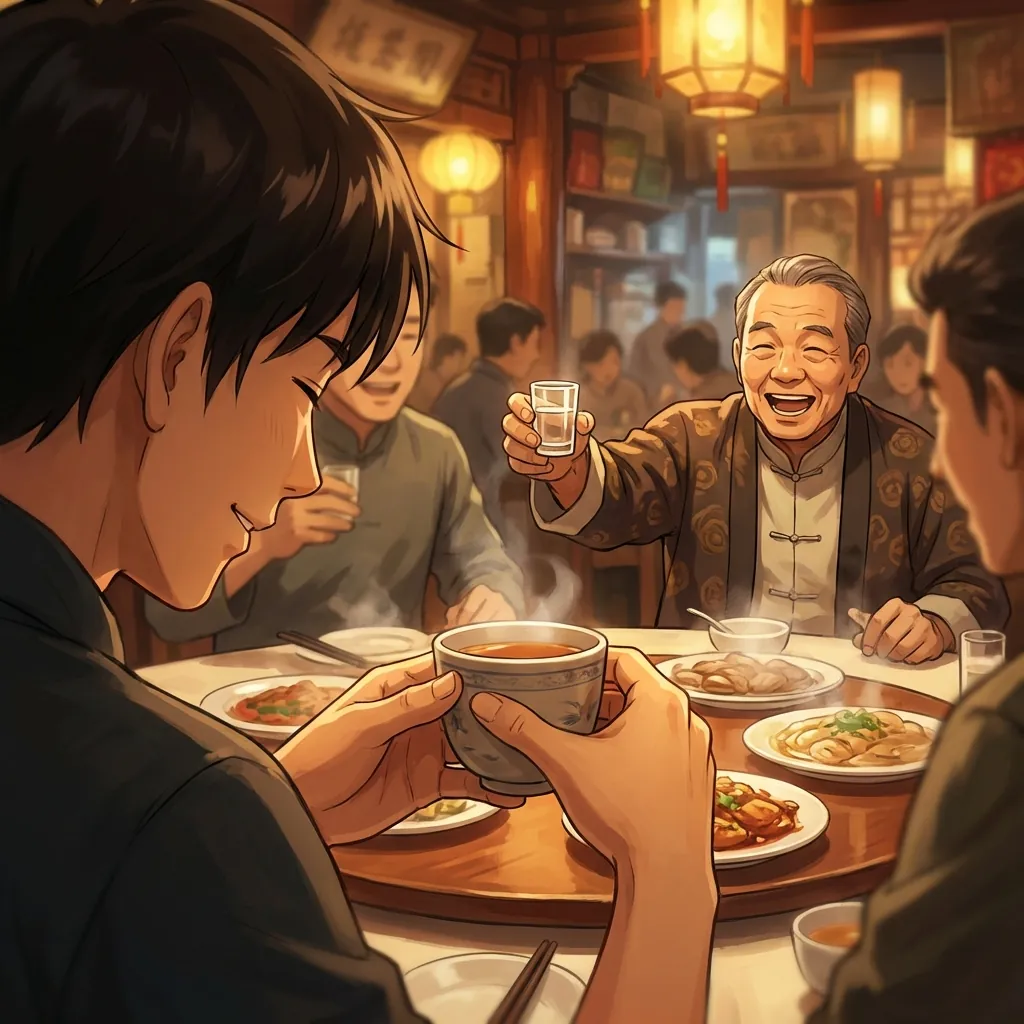
When someone stands up to toast you, you must stand up too. You must smile. You must clink glasses. You just happen to be holding tea.
If you sit there while they stand, or if you refuse to clink glasses because you aren't drinking, that is where the offense happens. If you participate in the theater of the toast with water or tea, you preserve the host's face.
Ironclad Excuses (That No One Can Argue With)
You cannot simply say "I don't like the taste." That implies the host bought bad liquor. You need an excuse that is external and non-negotiable.
1. The "Toubao" Defense (Antibiotics)
This is the nuclear option. In China, there is a widespread (and medically valid) fear of mixing Cephalosporin antibiotics (头孢 - tóubāo) with alcohol, which can cause a severe, sometimes fatal reaction.
If you say you are on toubao, the table will immediately stop pressuring you. They do not want you to die at their table.
Wait, I'm eating antibiotics.
等一下,我吃了头孢。(Děng yīxià, wǒ chī le tóubāo.)
See how specific that is? Don't just say you are "sick" (which invites questions). Say toubao.
2. The Designated Driver
China has zero tolerance for drunk driving. If you drove to the dinner, you have a "Get Out of Jail Free" card. Even if you didn't drive, saying you did is a safe white lie if you are desperate.
Sorry, I drove here today.
不好意思,我今天开车了。(Bù hǎoyìsi, wǒ jīntiān kāichē le.)
Using buhaoyisi here softens the blow perfectly.
3. Family Planning
If you are young and married, saying you are "preparing for a baby" (备孕 - bèiyùn) works for both men and women. In Chinese culture, health during conception is taken very seriously.
We are trying for a baby.
我们在备孕。(Wǒmen zài bèiyùn.)
Mandarin Survival Scripts
Depending on how pushy the host is, you need different levels of refusal. Use these scripts to navigate the pressure.
Vocabulary List
| Simplified | Traditional | Pinyin | Meaning | Note |
|---|---|---|---|---|
| 干杯 | 乾杯 | gānbēi | Cheers / Bottoms up | Lit: "Dry cup" |
| 酒量 | 酒量 | jiǔliàng | Alcohol tolerance | Lit: "Wine capacity" |
| 随意 | 隨意 | suíyì | As you please | Means you can sip, don't have to finish |
| 过敏 | 過敏 | guòmǐn | Allergy |
Level 1: The Soft Decline
Use this when the atmosphere is relaxed. You are establishing that you aren't a big drinker.
- "My alcohol tolerance is really bad."
我酒量不太好。
(Wǒ jiǔliàng bú tài hǎo.)
Level 2: The Substitution
Use this when the host insists on a toast, but accepts you won't drink alcohol.
- "Let me toast you with tea instead."
我以茶代酒,敬您一杯。
(Wǒ yǐ chá dài jiǔ, jìng nín yì bēi.)
Level 3: The Hard Stop
Use this when they keep pouring. Connect it with a medical excuse.
- "I really can't drink, I have a severe allergy."
真不能喝,我对酒精严重过敏。
(Zhēn bù néng hē, wǒ duì jiǔjīng yánzhòng guòmǐn.)
Note: If you use the allergy excuse, ensure you don't accidentally eat a dish cooked with wine later!
Body Language Nuances
Your words matter, but your body language seals the deal. When you are using the "Tea Substitution" method:
- Stand Up: Even if you are drinking water. If an elder or boss stands to toast you, you stand.
- Two Hands: Hold your teacup with both hands. This shows maximum respect.
- The Low Clink: When you clink your cup against theirs, try to keep the rim of your cup lower than theirs. This lowers your status and elevates theirs, giving them "Face" without giving them your sobriety.
If you master the Toubao excuse and the Yi Cha Dai Jiu ritual, you can survive any banquet. You might still have to listen to loud karaoke afterwards, but at least you won't wake up with a headache.