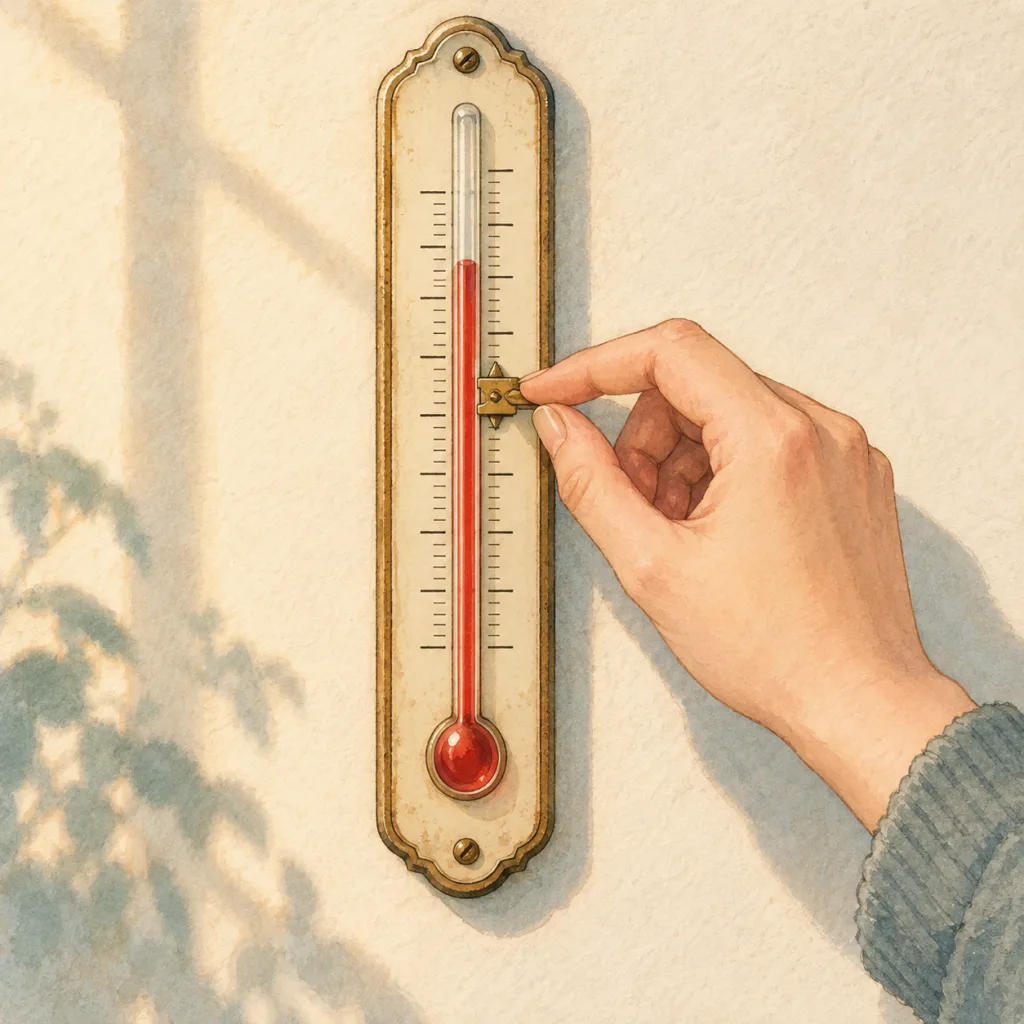
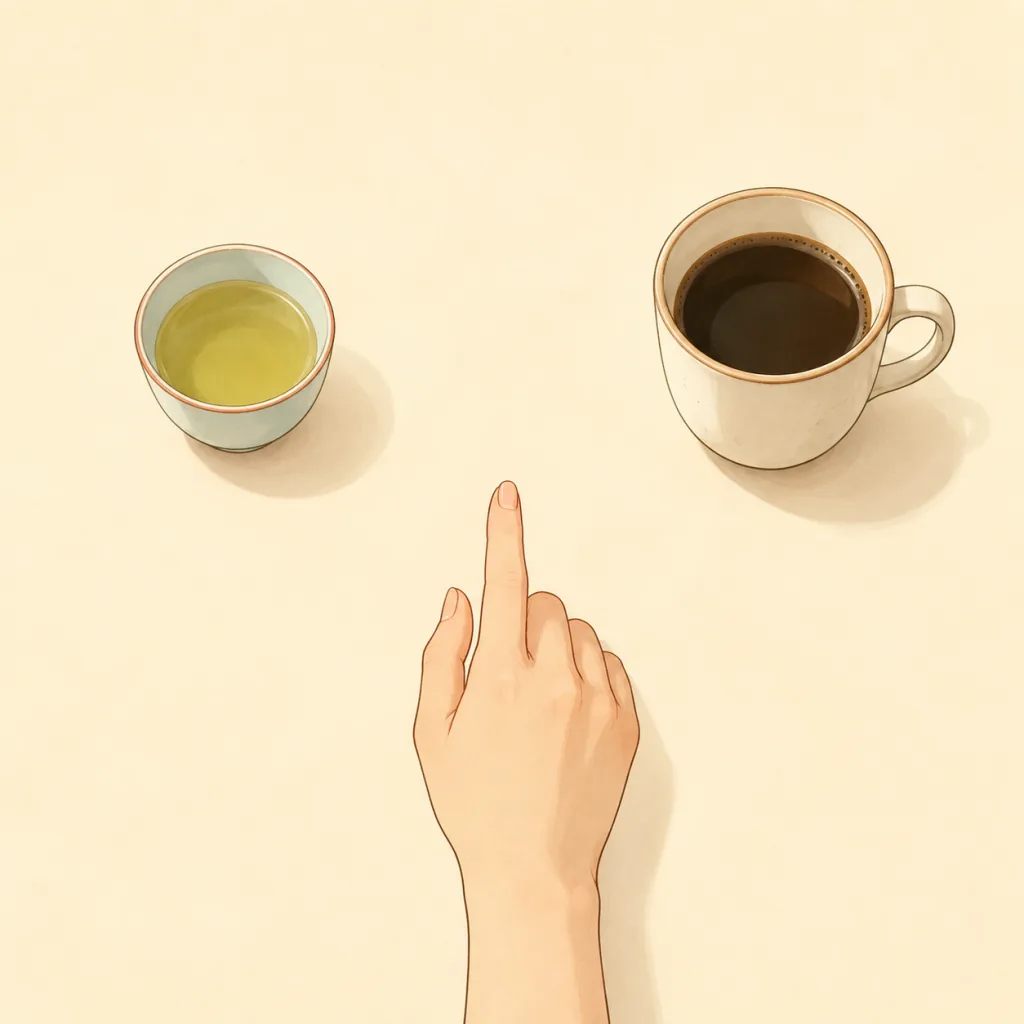
Intro
You are currently "sitting."
In your English brain, "sitting" is an "-ing" word. It feels like an action. So, when you start learning Chinese, you naturally want to use the "action" word 在 (zài). You might try to say Wǒ zài zuò.
If you say that in Beijing, people will look at you strangely. Why? Because 我在坐 implies you are currently in the physical motion of squatting down—your butt hasn't hit the chair yet. You are moving.
Once your butt hits the chair and you stop moving, you are no longer "action-ing." You are in a State.
English treats "eating" (action) and "sitting" (state) as the same grammar structure. Chinese treats them as opposites.
This is the battle of Zài (The Video) vs. Zhe (The Photo).
The Active "Zài" (The Movie Scene)
在 (zài) is the true progressive aspect. Think of it as a video recording.
If you hit "pause" on a video of someone using 在, they would look blurry because they are in motion. Energy is being spent. You use this for verbs like eating, running, watching, or writing.
Formula: Subj + 在 + Verb + (Object)
You might already know 在 as a preposition for location (like "at" or "in"). If you are struggling with where to put location words in a sentence, check out the logic of Chinese Location Structure. But here, placed directly before a verb, it means "-ing".
我在吃饭 (Wǒ zài chīfàn)
I am eating. (The action is happening right now).
他在看书 (Tā zài kànshū)
He is reading a book. (He is flipping pages, eyes moving).
Key Takeaway: If the subject is moving and doing something active, use 在.
The Frozen "Zhe" (The Screenshot)
着 (zhe) is the continuous state. Think of it as a still photograph.
The action has already finished, and now we are just looking at the lingering result. If you hit "pause" on a 着 situation, the picture is perfectly clear. Nothing is moving.
This is strictly required for "Posture Verbs." In English, we say "I am standing," but in Chinese, you "Stand-State."
Formula: Verb + 着
我坐着 (Wǒ zuò zhe)
I am sitting. (I am not moving; I am in the state of being seated).
门开着 (Mén kāi zhe)
The door is open. (It isn't opening right now; it is currently resting in an open state).
Regional Alert: The Character Shift
This creates a lot of headaches for students moving between textbooks.
- Mainland China: Uses 着 (zhe).
- Taiwan/Traditional: Uses 著 (zhe).
They are pronounced the same (neutral tone) and mean the same thing here. I will include both in the tables below.
Common "State" Vocabulary
These verbs almost always pair with 着 when describing the current situation.
| Simplified | Traditional | Pinyin | Meaning | Note |
|---|---|---|---|---|
| 坐着 | 坐著 | zuò zhe | Sitting | State of being seated |
| 站着 | 站著 | zhàn zhe | Standing | State of standing |
| 躺着 | 躺著 | tǎng zhe | Lying down | Reclining state |
| 等着 | 等著 | děng zhe | Waiting | You are "staying" in a spot |
The Showdown: High-Confusion Verbs
This is where 90% of students fail. There are verbs that change meaning entirely depending on whether you view them as an Action (Zài) or a State (Zhe).
The biggest culprit is "To Wear" (穿 - chuān).
- Action (在): Putting the clothes on.
- State (着): Having the clothes on your body.
If someone knocks on your door, the difference matters.
- Scenario A: You are naked and hurriedly pulling on pants.
- Speaker: 等一下!我在穿裤子! (Děng yīxià! Wǒ zài chuān kùzi!) - Wait a sec! I am putting on pants!
- Scenario B: You open the door wearing a strange outfit.
- Speaker: 为什么要笑?我穿着裤子啊。 (Wèishéme yào xiào? Wǒ chuān zhe kùzi a.) - Why laugh? I am wearing pants.
Dialogue Example
Here is how natural dialogue sounds when mixing these concepts.
- Mom: 你在干什么? (Nǐ zài gàn shénme?) - What are you doing? (Action)
- Son: 我在试衣服。 (Wǒ zài shì yīfu.) - I am trying on clothes. (Action)
- Mom: 别试了。你身上穿着那件红色的很好看。 (Bié shì le. Nǐ shēnshang chuān zhe nà jiàn hóngsè de hěn hǎokàn.) - Stop trying them on. That red one you are wearing looks good. (State)
Note: If you need to negate these sentences (saying you are NOT wearing something), you generally use Méiyǒu (没有), not Bù (不).
Advanced Move: The "Background Music" (Simultaneous Actions)
Once you master the "State" concept, you unlock a superpower: describing how you do things.
You can use 着 to turn a verb into "Background Music" for a main action. This is similar to saying "He ran screaming" or "She eats standing up."
Formula: Verb 1 (State/Method) + 着 + Verb 2 (Main Action)
The first verb is the state you maintain while doing the second verb.
她喜欢站着吃饭 (Tā xǐhuan zhàn zhe chīfàn)
She likes to eat standing up. (Literally: She likes [standing-state] eat food).
他笑着说再见 (Tā xiào zhe shuō zàijiàn)
He said goodbye smiling. (Literally: He [smiling-state] said goodbye).
This structure is incredibly common. It adds flavor to your sentences without complex grammar.
Quick Takeaways
- Zài (在) is a Video. Use it for active energy (eating, running, putting on).
- Zhe (着) is a Photo. Use it for static states (sitting, holding, wearing).
- Posture is a State. Always use 着 for sit, stand, and lie down unless you are actively moving into that position.
- Simultaneous Action. Use V1 + 着 + V2 to describe the "mode" of an action (e.g., eating while standing).